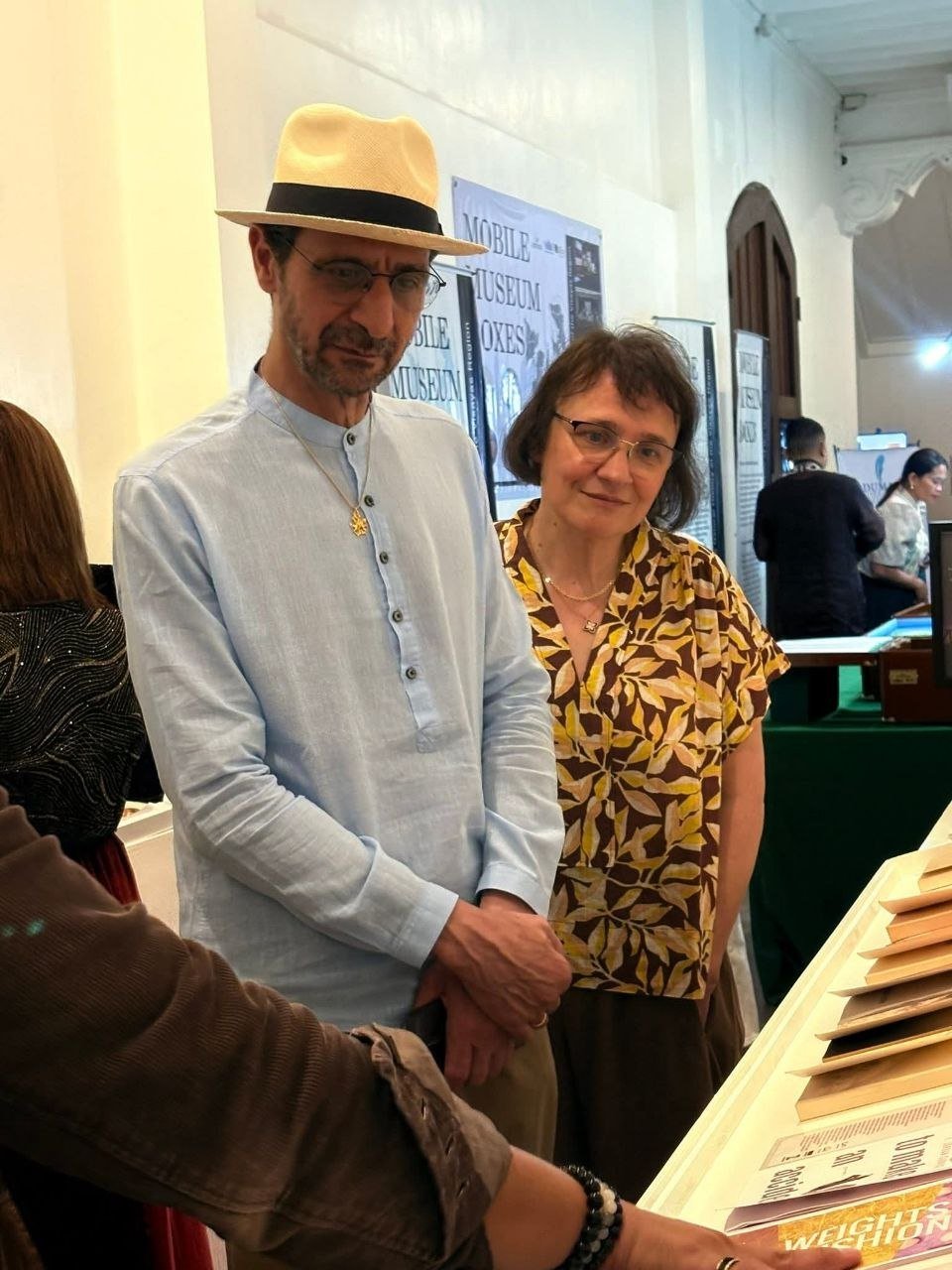
The National Museum of the Philippines-Dumaguete welcomed distinguished diplomatic guests on April 16, 2026, as His Excellency Mounir Y.K. Anastas, Palestine’s Ambassador to the Philippines, along with Madame Anastas, embarked on a comprehensive cultural exploration. Their visit underscored the museum’s role in fostering international appreciation for regional Filipino heritage.
The diplomatic couple immersed themselves in the museum’s extensive collections, with particular attention to exhibits chronicling Negros Island’s natural evolution and cultural development. Their engagement with local heritage artifacts demonstrated how cultural institutions can serve as bridges between international communities and Philippine regional traditions.
Archaeological Treasures Command Attention
The ancient jar burials of Bacong emerged as a focal point during the ambassador’s tour, offering insights into pre-colonial funeral customs and societal structures of early Negros Island inhabitants. These archaeological specimens represent crucial evidence of the sophisticated cultural practices that flourished in the region before Spanish colonization.
The Palestinian diplomat and his spouse examined these burial artifacts with considerable interest, recognizing their significance in understanding the complex social organization of ancient Filipino communities. The jar burial tradition reflects sophisticated beliefs about death, afterlife, and community continuity that characterized pre-colonial societies.
Beyond the burial artifacts, the museum’s archaeological collection provided the visitors with broader perspectives on the material culture of early Negros Island civilizations, including tools, pottery, and ornamental objects that illuminate daily life in ancient times.
Architectural Evolution on Display
The museum’s architectural heritage exhibits captured significant attention from the diplomatic visitors, showcasing the evolution of building techniques and design philosophies across different historical periods. These displays demonstrate how external influences merged with indigenous construction methods to create distinctive regional architectural styles.
Ambassador Anastas and his spouse observed how colonial influences, indigenous techniques, and modern innovations combined to shape the built environment of Negros Island. The architectural exhibits reveal the complex interplay between cultural preservation and adaptation that characterizes Philippine regional development.
The museum’s presentation of architectural heritage emphasizes how buildings serve as historical documents, preserving evidence of social, economic, and cultural changes across centuries of regional development.
Natural History Collections Showcase Biodiversity
The museum’s natural history section offered the Palestinian diplomatic couple opportunities to explore Negros Island’s ecological diversity and environmental significance within the Philippine archipelago. These collections demonstrate the island’s unique position in Southeast Asian biodiversity patterns.
The natural history exhibits provided context for understanding how environmental factors influenced human settlement patterns, agricultural development, and cultural practices throughout the island’s history. The displays connect ecological knowledge with anthropological understanding of regional development.
Literary Excellence Celebrated
The “Muse and Metaphor at the Museum: The Negros Literary Connection” exhibit provided a centerpiece for the diplomatic visit, celebrating the region’s contributions to Philippine literary arts. This special display coincided with National Literature Month observances, highlighting Dumaguete’s UNESCO Creative City of Literature designation.
The literary collection presented to Ambassador Anastas and his spouse encompassed works from established Negrense authors alongside emerging voices that continue shaping contemporary Philippine literature. The exhibit demonstrates how regional literary traditions contribute to national cultural expression while maintaining distinct local characteristics.
The comprehensive book and zine collection reflects decades of literary production connected to the Negros region, showcasing diverse perspectives and narrative styles that have enriched Philippine literary discourse. The display emphasized how local literary communities maintain connections to broader national and international literary movements.
The Palestinian envoy examined publications representing various genres and literary periods, gaining appreciation for the depth and diversity of regional literary output that has earned international recognition for Dumaguete’s literary community.
Museum as Cultural Diplomacy Platform
National Museum officials emphasized their institution’s commitment to serving as a venue for international cultural exchange, viewing diplomatic visits as opportunities to demonstrate the global relevance of local heritage. The museum’s approach positions regional cultural artifacts within broader contexts of human experience and artistic expression.
The Palestinian ambassador’s engagement with museum collections exemplifies how cultural institutions facilitate mutual understanding between different nations and traditions. These exchanges allow foreign representatives to develop deeper appreciation for Philippine regional cultures while strengthening diplomatic relationships through shared cultural exploration.
Museum administrators highlighted how such visits celebrate the universal significance of historical artifacts and artistic works, reinforcing connections between local heritage and global human experience. The diplomatic engagement demonstrates museums’ capacity to serve communities beyond their immediate geographic regions.
Public Access and Community Engagement
Following the ambassador’s visit, museum officials issued invitations to the general public to explore the same cultural treasures that attracted international diplomatic attention. This approach ensures that high-level cultural exchanges translate into broader community engagement with heritage collections.
The museum’s emphasis on public accessibility reflects its commitment to serving diverse audiences while maintaining its role as a platform for international cultural dialogue. Community members can experience the same exhibits that provided cultural insights to the Palestinian diplomatic representatives.
The institution continues positioning itself as a venue where diplomatic cultural engagement intersects with community education, ensuring that heritage remains accessible while supporting its preservation and scholarly missions. The ongoing programming demonstrates how cultural institutions can simultaneously serve local communities and international diplomatic objectives.
Photo credit: National Museum of the Philippines
Related stories